What is Keratoconus?
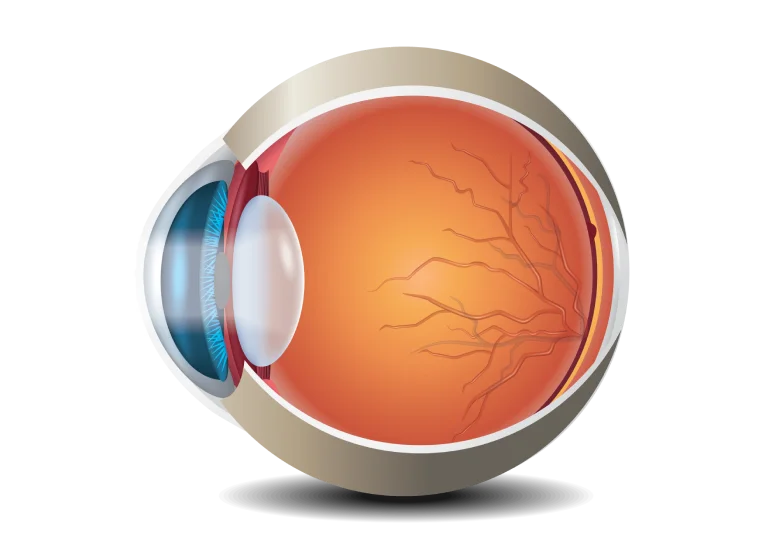
Keratoconus is a disease of the cornea. The cornea is the transparent layer at the front of the eye. In keratoconus disease, there is a tapering and thinning of this layer. This tapering and thinning is progressive and leads to progressive deterioration of vision. In this disease, there is a structural deformity of the cornea. The word keratoconus means chronic cornea. In terms of prevalence, it occurs in one in 2000 people. We can say that keratoconus is a youth disease. It usually starts and progresses between the ages of 15-25. However, we can see it before the age of 15. The disease progresses until the ages of 35 and 40 and stops on its own after these ages. The cause of keratoconus is not known exactly. The most important factor that we know predisposes to this disease is constant eye rubbing due to allergic eye structure. People with keratoconus usually have an allergic eye structure and have a history of constant eye rubbing since childhood. However, there is a structural eye disorder of the cornea. Although constant eye rubbing can be a trigger, the main problem is the structural disorder of the cornea. We cannot say that this disease is exactly a genetic disease. Although there is a predisposition, only 10%-20% of the patients in the researches have been genetically inherited.